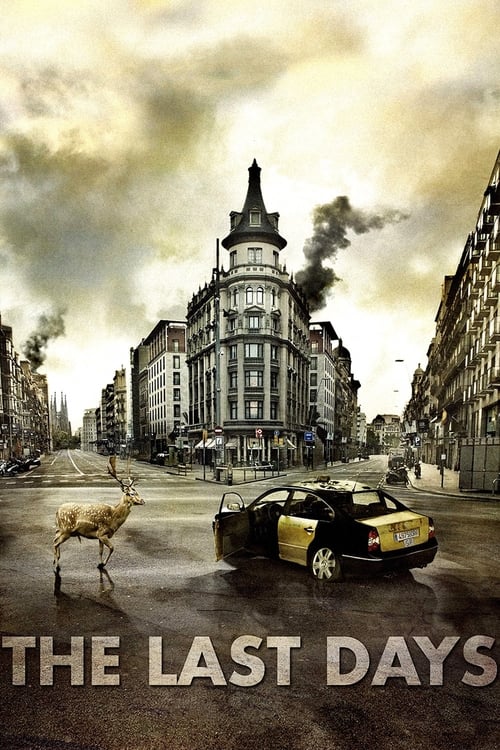
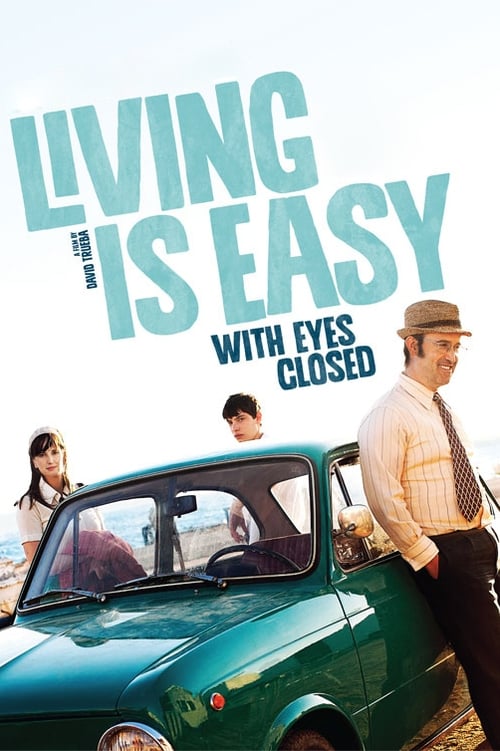
Miguel makes the journey that his grandfather cannot make because he is locked up by his own family. The mission is very simple, go to a funeral and leave an army jacket on the grave of an old man, a friend of his grandfather. Miguel, accompanied by Lola and Guillermo, leaves that island of cement that is the Nazareth neighborhood. He wanders the outskirts of Valencia, looking for a cemetery and faces a deserted city.
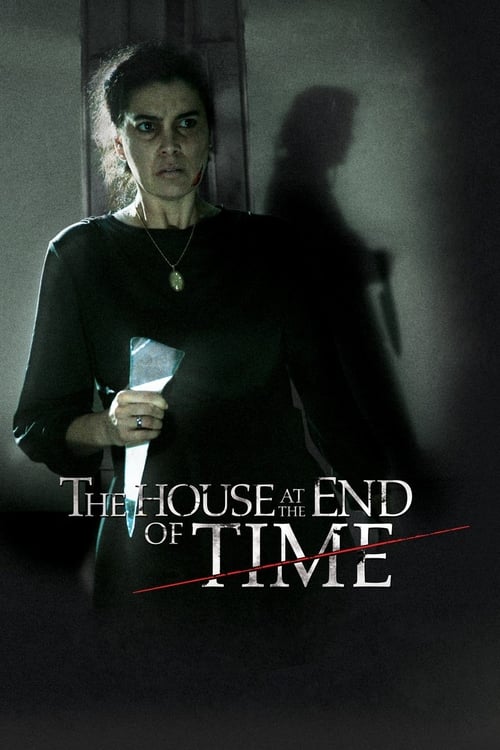
The story of Dulce, a mother who has encounters with apparitions inside her old house. She must decipher a mystery that could trigger a prophecy: the death of her family.
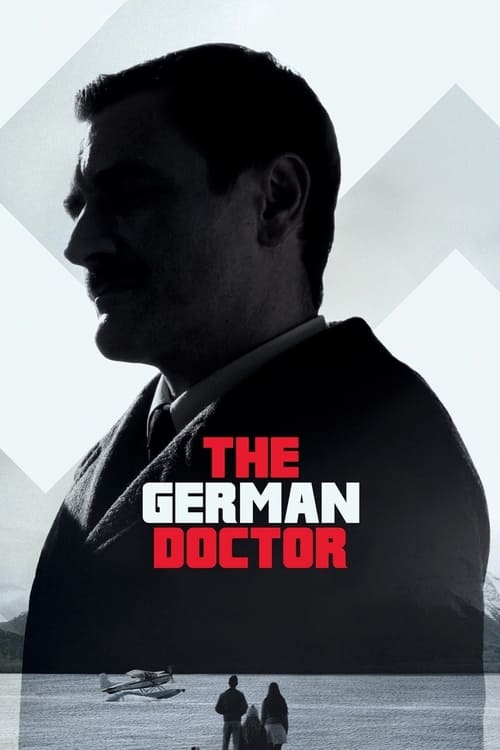
Patagonia, 1960. A German doctor meets an Argentinean family and follows them to a town where the family will be starting a new life. The family welcomes the doctor into their home and entrust their young daughter to his care, not knowing that he is one of the most dangerous criminals in the world.
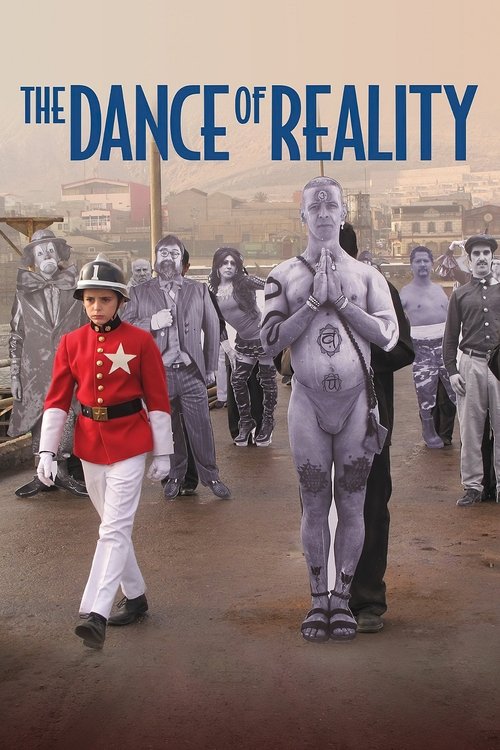
“Having broken away from my illusory self, I was desperately seeking a path and a meaning to life.” This phrase perfectly sums up Alejandro Jodorowsky’s biographical project: reconstituting the incredible adventure of his life. Alejandro Jodorowsky was born in 1929 in Tocopilla, a coastal town on edge of the Chilean desert, where this film was shot. It was there where he discovered the fundamentals of reality, as he underwent an unhappy and alienated childhood as part of an uprooted family.
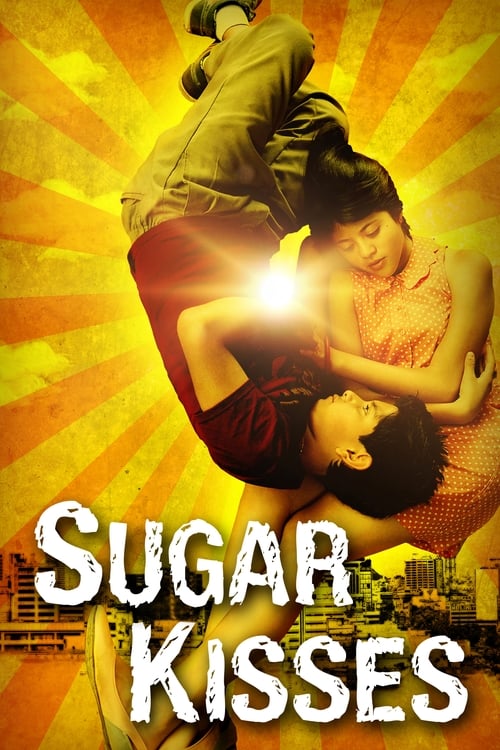
Nacho, a 13 year old boy, crosses the threshold of adolescence trying to find his place in life in all the wrong places: a dysfunctional family and a social setting that is corrupt and violent. Can the purity of first love survive the darkest aspects of our society?
The story of the encounter between a boy and a girl. He confesses that he fell in love with her at first sight, but she does not believe him. However, as they walk through the night in Madrid, they share their desires, secrets, and maybe a few little lies. But soon the film brings us back to the harsh reality of power struggles, psychological games and conflicts between the sexes. Stockholm thus offers an incredible reading of the relations between young people today.
Julian (Álex González) and his friend Luis (Miguel Angel Silvestre) are two neighborhood boys who are part of a gang of violent neo-Nazis, led by Solis (Javier Bardem). After start training in a gym, Julian is transformed gradually thanks to the discipline of boxing, the nobility of his coach (Carlos Bardem) and the love of a young latin girl (Judith Diakhate). All of this takes away from the group, but Luis is not ready to accept that leave the "herd".
Rachel is an intelligent, modern-day woman constantly on the move. Primarily focused on her career as a diplomatic consul for the U.S. embassy, she's literally lived her life on the move, globe-trotting from city to city. Currently working in Mexico City and set to leave for London, Rachel's world turns upside down on the eve of her own goodbye party when she gets drunk and passes out on the street. Saved by Alejandro, a handsome Mariachi singer and single father, Rachel wakes up in his apartment with no recollection of how she got there. Nor does she remember that she rejected his visa the day before, which he desperately needs for his daughter. Romance unexpectedly blossoms between the two, but either sparks or fists will fly after she finds out his secret.
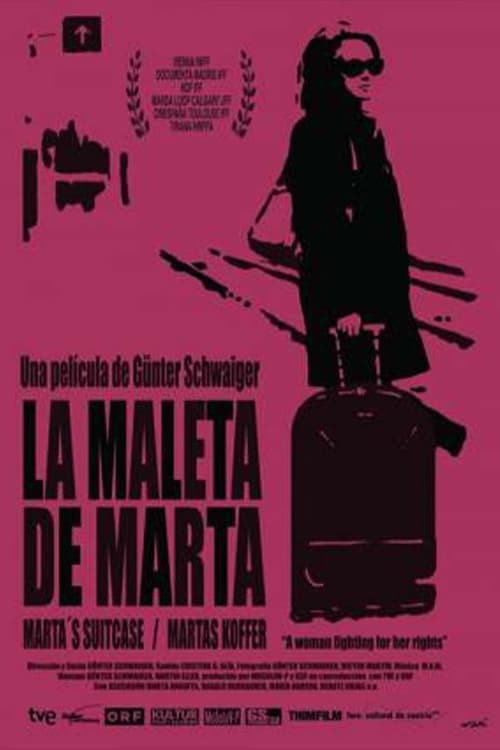
Marta's case is particularly significant because it breaks many stereotypes about gender violence. For one she never suffered physical abuse before the attempted murder and she does not come from modest or marginal family. As she says: 'There is no profile for battered women and it can touch anyone.' She also is a strong woman and a fighter who is not afraid to criticize the ineffectiveness of institutions. For me as a man was also very important to approach the male and try to find out what happens inside a violent man and what leads him to violence. In this sense i found the work of the therapist Harald Burgauner, who is one of the most prestigious specialists in Austria, of particular interest.
In the eyes of a foreigner practically any street of Mexico City’s Centro Histórico holds potential for a film. Life on the street deserves more than just the natural condition of observer anyone could have, it demands an extra attention. In a 100-meter radius, the sociological exuberance of the events going on is simply impossible to ignore. The street is a mise en scène in itself.
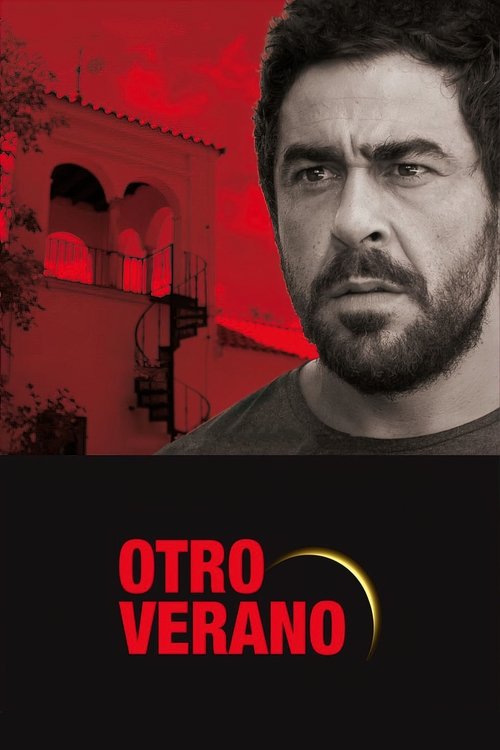
Spain, 1966. An English teacher who travels to Almería when he hears that John Lennon is making a film there befriends with a 16-year-old boy who has run away from home and a young girl who also seems to be running away from something.
Erasmo Chambi is a Bolivian immigrant who survives on the outskirts of Buenos Aires, giving wrestling shows at local clubs. In his home country, he was a legendary wrestler: there were trading cards, posters and action figures of his character, El Ciclón (The Cyclone), which today are only relics in a forgotten drawer. Nowadays he trains his son to be his successor.
A series of auditions is taking place in a museum-like living room. Various men improvise or deliver prepared lines, rehearse gestures and slogans, aim guns, and collapse as if mortally wounded. The theme of revolution is repeatedly invoked. In between, there are scenes of a desert landscape. Three men seeking to join the Mexican Revolution at the beginning of the last century have lost their way. Conflicts smolder among them, water is running low, and mutual mistrust is beginning to take hold. Placing the reenactment of a possible historical event alongside the preparations for it serves to underline the theatricality of every cinematic account of history. Moreover, on a kind of playful meta-meta-level, the scenes in which the actors feel their way through set pieces from a Beatles song or standard battle slogans allow the viewer to witness the simultaneous construction and deconstruction of a collective myth of revolution.
Something has gone wrong with the landing gear of a plane en route from Madrid to Mexico City. The group of eccentric travelers on the flight, defenseless in the face of danger, indulge in colourful confessionals, while the outlandish crew attempts to find ways to entertain them.
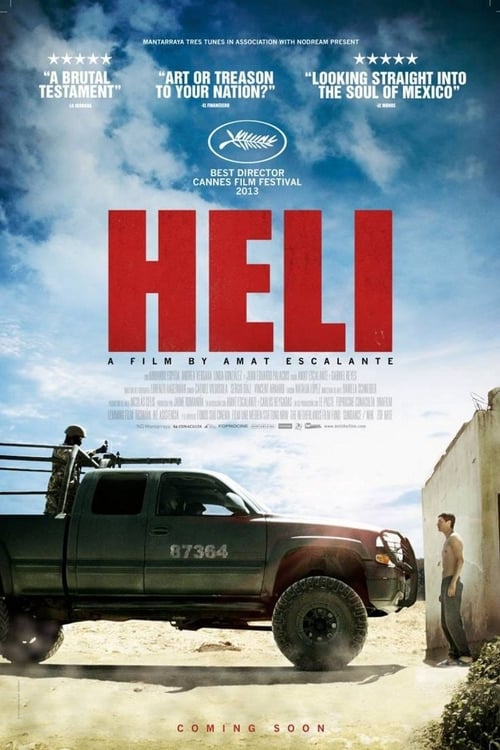
Heli must try and protect his young family when his 12-year-old sister inadvertently involves them in the brutal drug world. He must battle against the drug cartel that have been angered as well as the corrupt police force.
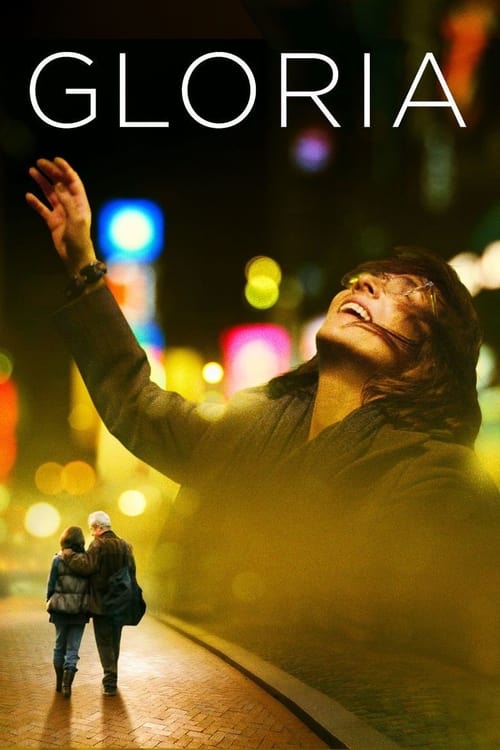
Gloria is a 58-year-old divorcée. Her children have all left home but she has no desire to spend her days and nights alone. Determined to defy old age and loneliness, she rushes headlong into a whirl of singles’ parties on the hunt for instant gratification – which only leads to repeated disappointment and enduring emptiness. But when Gloria meets Rodolfo, an ex-naval officer seven years her senior, she begins to imagine the possibility of a permanent relationship.
Explores Llanos del Caudillo, a town from La Mancha founded in 1955 by the dictator Franco; a discreet and calm attempt to dissect recent Spanish history and to review how some Spaniards deal with the cruel heritage of their past. A reflection on what to do with the Francoist legacy in towns, streets and squares in Spain.
Faraday is a weirdo telepath who is starting to lose his faith in the paranormal. His girlfriend, Diana, is a blogger whose highest aspiration in life is to be famous on the internet. When they decide to move in together they opt for a suspiciously cheap flat which turns out to be haunted.
The stars of Europe's ascendant chip music movement demonstrate the repurposing of old videogame and home computer hardware like Nintendo's GameBoy and NES, Atari's ST, and Commodore's Amiga and C64 into tools by which they have created a new sound, a modern tempo and an innovative musical style.
Eight short stories of seduction and illicit encounters between lovers, filled with humor and eroticism, which use a circular structure located in the cosmopolitan atmosphere of a colonial city of Mexico.